What should you know before trading meme coins to avoid losing your portfolio?
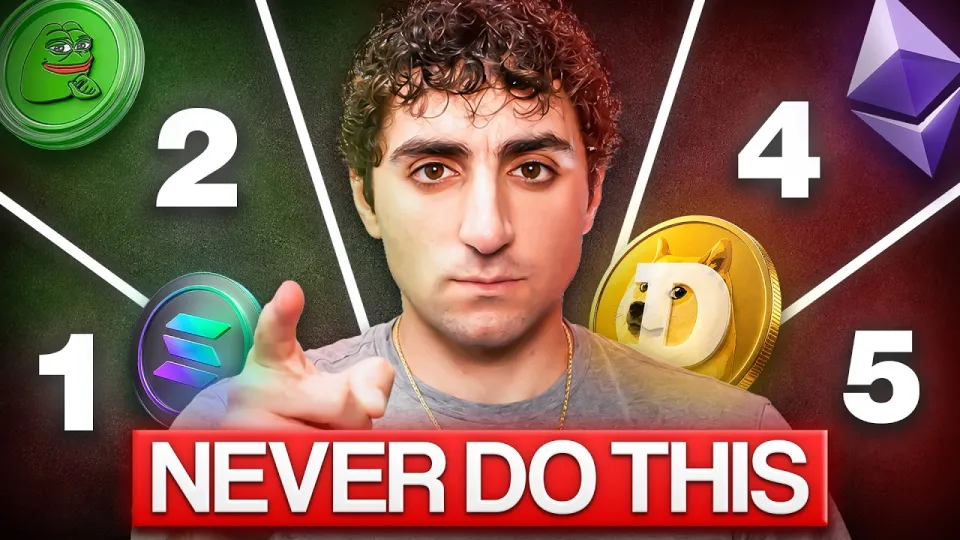
Video: 5 Things I Wish I Knew Before Trading Memecoins (Learn From My Mistakes)
Want articles like this for your own video to promote it on YouTube and Google? Order them through the Telegram bot @sat_sit_bot. Articles with your video embedded are written and posted by the bot itself — on popular topical sites (no ads). Free trial — 50 articles.
· based on the channel rasmr
Key takeaways
- Meme coins are driven by attention and liquidity, not cash flow, so price can collapse faster than it rises.
- Most beginner losses come from boredom trading and oversized positions rather than from picking the wrong coin.
- Buying during consolidation and waiting for confirmation beats chasing a green candle.
- A written exit plan with take-profit levels is the single most repeated piece of advice from experienced traders.
- Registering through a referral link such as fomo.family gives access to the trading venue used in the rasmr breakdown.
Meme coin trading is a patience and risk-management game, not a race to buy the loudest ticker. Before you put money into one, decide the maximum you can lose, write down your entry and exit levels, and accept that most meme coins go to zero. The traders who survive treat each position as a lottery ticket with a fixed cost, not as a retirement plan — you can start on a venue like fomo.family via the rasmr referral link, but the discipline has to come from you.
Why meme coin prices move on attention rather than fundamentals
Meme coins have no revenue, no product and no cash flow, so their price is set purely by the flow of new buyers and the willingness of existing holders to sell. That makes them a sentiment instrument: a single influencer post, a listing rumour or a wave of bot activity can double a market cap in hours, and the same absence of news can drain it just as fast. Liquidity is usually thin, which means large sells slip through several price levels and turn a small drawdown into a cascade. Understanding this asymmetry is the first thing that separates a trade from a gamble — you are betting on the behaviour of other traders, and the exit is always more crowded than the entry.
The five mistakes that cost new traders the most
Most losses in this niche repeat the same five patterns, and each one is fixable with a rule written down in advance.
- Trading out of boredom. Sitting in cash feels like missing out, so people open positions with no thesis. The most-liked comment under the rasmr video describes exactly this: a portfolio lost during a quiet market simply because there was nothing else to do.
- Sizing positions like a conviction bet. A meme coin should be a small, defined slice of the portfolio. If a 70% drawdown would change your behaviour, the position is too big.
- Chasing the green candle. Entering after a vertical move means buying the exit liquidity of earlier buyers. Waiting for a pullback or a consolidation is slower and far cheaper.
- No exit plan. Traders plan the buy in detail and the sell not at all, then hold through the round trip hoping for a return to the high.
- Ignoring the chart structure. Consolidation ranges, higher lows and volume behaviour still apply to meme coins; entering blind because the ticker is trending is how newcomers become the liquidity.
How to time an entry without chasing pumps
Buying during consolidation and waiting for confirmation is the more reliable approach, and it answers the question new traders ask most often about whether to buy the range or wait for news. A workable sequence looks like this: identify a coin that has already survived its first explosive phase, watch it form a sideways range with shrinking volatility, then wait for a volume expansion that breaks the range upward before committing capital. Buying inside the range with a tight invalidation level below it limits the damage if the structure fails. News and social catalysts can accelerate a move, but they are unreliable as a trigger because by the time a rumour is public, the price already reflects it. The practical rule is simple: enter on structure, size for the stop, and let the catalyst be a bonus rather than the reason.
Risk rules that keep a meme coin portfolio alive
Survival in this market is a function of position sizing and cash management, not of picking winners. A common framework is to cap any single meme coin at a small percentage of the portfolio, take partial profits at predetermined multiples, and move the original stake out once a position doubles. Keeping a cash buffer matters because the best entries appear during the periods when most traders are already fully invested and frustrated. It also helps to separate the trading stack from long-term holdings so that a bad week in meme coins never touches the assets you actually depend on. Finally, track every trade with the reason for entry and exit — the pattern of your own mistakes becomes obvious within a few dozen entries.
What beginners keep getting wrong about patience and timing
The recurring theme in the feedback under the rasmr breakdown is that patience is the actual skill, and that most damage happens in the first month of trading. Newcomers tend to over-trade because they equate activity with progress, then revenge-trade after a loss to recover it quickly. A better rhythm is to wait for a small number of high-quality setups per week and to accept sitting out entirely when nothing qualifies. Time in the market also matters for a different reason: meme coin cycles rotate fast, so a coin that looks dead for two weeks can revive on a single narrative, while a coin bought at the top of a rotation rarely recovers. Treat each position with a deadline and an invalidation condition, and close it when either is hit rather than waiting for a feeling.
Where to trade meme coins and what to check first
The venue matters less than the habits you bring to it, but a few practical checks prevent avoidable losses. Confirm that the pair has enough liquidity for your position size, check the contract for honeypot behaviour and holder concentration before buying, and verify that withdrawals work with a small test amount. Trading through a referral link such as fomo.family is convenient, but the platform does not replace due diligence on the token itself. Slippage settings deserve attention too: a generous slippage tolerance on a thin pair is an open invitation to be front-run by bots.
Final thoughts on trading meme coins responsibly
The rasmr breakdown is valuable precisely because it treats meme coin trading as a discipline rather than a lottery, and the channel's core message holds up: define your risk, wait for structure, and plan the exit before the entry. Treat every position as expendable capital, keep a cash reserve, and judge yourself on process rather than on any single outcome. If you want to put these rules into practice, you can sign up through the rasmr referral link on fomo.family and start with a position small enough that a total loss would be boring rather than painful.
Source: 5 Things I Wish I Knew Before Trading Memecoins (Learn From My Mistakes) · Markdown version
Questions & answers
Should I buy a meme coin during consolidation or wait for confirmation?
Buying inside a consolidation range with a defined invalidation level below it is the lower-risk entry, because your stop is close and the position size can be calculated precisely. Waiting for a volume-backed breakout costs you some of the move but filters out ranges that break downward. Many traders split the difference by entering a small starter position in the range and adding only after confirmation.
How much of my portfolio should go into a single meme coin?
A common approach is to cap any single meme coin at a small percentage of the portfolio, often in the low single digits, so that a total loss does not change your overall trajectory. The position should be small enough that a 70% drawdown would not push you into emotional decisions. Profits taken at predetermined multiples reduce the effective risk further.
Why do new traders lose money even when they pick good coins?
Losses usually come from behaviour rather than selection: over-trading out of boredom, entering after a vertical move, and holding through the round trip without an exit plan. Sizing positions too large amplifies every one of those mistakes. Writing entry, invalidation and take-profit levels before buying removes most of the improvisation.
Do news and social catalysts matter for meme coin prices?
They can accelerate a move, but they are unreliable as an entry trigger because the price typically reacts before the news is widely visible. Structure, volume and liquidity are more dependable signals. Treat a catalyst as a bonus on top of a setup you would have taken anyway, not as the reason for the trade.